
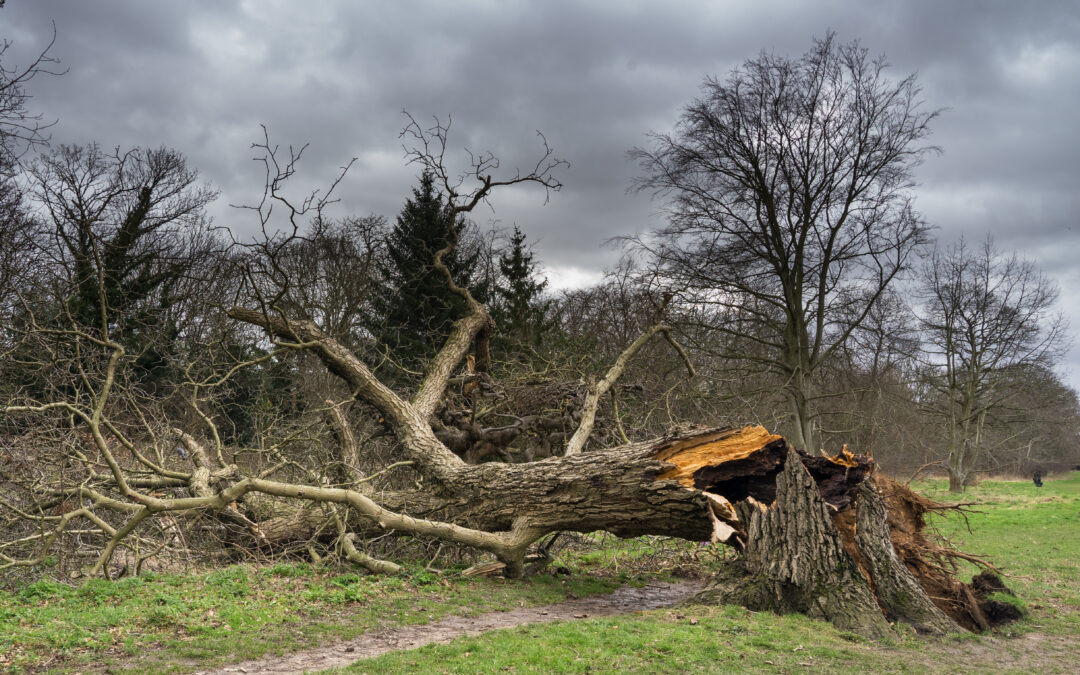
Storm cleanup needs to happen quickly because storm damage rarely stays as simple as it looks on the first day. A fallen tree, a pile of broken limbs, a washed-out driveway, or debris scattered across a yard may seem like something that can wait. In some situations, it can. In many others, delaying cleanup allows the damage to spread, creates new safety hazards, and makes the property harder to access or maintain.
In the foothills, severe weather can leave behind more than a mess. Heavy rain, wind, saturated soil, fallen trees, and blocked drainage paths can affect driveways, roads, yards, slopes, ditches, structures, fences, and wooded areas. If debris remains in place, it can trap water, hide hazards, attract pests, and prevent property owners from seeing the full extent of the problem.
Quick storm cleanup is not just about appearance. It is about safety, access, drainage, property protection, and preventing a temporary problem from becoming a larger land management issue.
Storm Damage Cleanup Helps Restore Safe Property Access
One of the first reasons to handle storm cleanup quickly is access. Fallen trees and debris can block driveways, private roads, trails, gates, equipment paths, and entrances. Even if you can walk around the damage, vehicles, emergency services, service providers, and equipment may not be able to get through.
Blocked access can create practical problems fast. You may not be able to reach part of your property. A contractor may not be able to complete another repair. A driveway may become too dangerous to use. A fallen tree may prevent cleanup equipment from reaching the areas that need attention most.
Access is especially important on rural or foothills properties where driveways may be long, gravel surfaces may wash out, and alternate routes may not exist. Clearing the way allows the rest of the property to be inspected and repaired.
Fallen Trees And Limbs Can Create Safety Hazards
Storm-damaged trees can be dangerous. A tree on the ground is obvious, but hanging limbs, split trunks, leaning trees, and partially fallen branches may be harder to spot. These hazards can shift after the storm, especially when wind returns, soil dries, or more rain adds weight.
A damaged tree may look stable but still be under pressure. Broken limbs may be caught in nearby trees. Large debris may roll or shift on slopes. A root ball may leave a hole or unstable ground where the tree pulled out of the soil.
Common storm cleanup hazards include:
- Hanging Limbs: Broken branches caught overhead can fall later without warning.
- Leaning Trees: Trees weakened by wind or saturated soil may continue to move after the storm.
- Blocked Driveways: Fallen trees or debris can limit safe access to the property.
- Hidden Debris: Sharp limbs, metal, broken materials, or washed-out areas may be covered by leaves or mud.
- Unstable Ground: Saturated soil, root damage, and erosion can make walking or driving unsafe.
- Damaged Structures: Sheds, fences, small buildings, and exterior features may be unstable after impact.
- Electrical Risks: Downed lines or damaged service areas should be avoided and handled by the proper utility professionals.
Quick cleanup helps remove obvious hazards and makes it easier to identify the less obvious ones.
Storm Debris Can Block Drainage And Cause Water Problems
Storm cleanup is also a drainage issue. Fallen limbs, leaves, brush, damaged trees, and washed debris can clog ditches, block culverts, fill swales, and redirect runoff. Once water loses its normal path, it may cut across driveways, pool near structures, erode slopes, or saturate areas that usually stay dry.
This is one reason storm damage should be addressed before the next heavy rain. A clogged ditch may not seem urgent on a dry day. During the next storm, that blockage can force water across a road, toward a foundation, or into a low area that cannot handle the extra volume.
On foothills properties, runoff can move quickly. If storm debris blocks the right path, water will find another one. That new path may be damaging and expensive to correct later.
Delayed Cleanup Can Make Driveway And Road Damage Worse
Gravel driveways and private roads are vulnerable after storms. Heavy rain can move gravel, cut ruts, fill ditches, and soften the base. Fallen limbs or debris may force vehicles to drive around the intended path, creating additional damage. If water continues running across the surface, the driveway can deteriorate quickly.
A washed-out driveway should not be treated as just a gravel problem. The underlying issue is usually water movement. Storm cleanup may need to be paired with grading, ditch correction, culvert work, or drainage improvements to prevent the same damage from happening again.
The longer the issue sits, the more the driveway or access road can break down. Small ruts become deeper. Soft spots spread. Gravel moves farther away from where it belongs. Repairing the surface gets harder when the drainage problem is still active.
Storm Cleanup Protects Yards, Slopes, And Landscaped Areas
Storm debris can smother grass, damage plants, block mowing, and hold moisture against the ground. In wooded or sloped areas, fallen limbs and trees can change how water moves. That can increase erosion, create muddy areas, or make the land harder to maintain.
If the storm created bare soil, exposed roots, or washed-out areas, the damage can spread after the next rain. Fast cleanup makes it easier to stabilize the property, remove debris, and plan any grading or drainage work that may be needed.
Why Sloped Properties Need Extra Attention
Sloped land can be more vulnerable after storms because gravity speeds up runoff. Debris that looks harmless in one location may redirect water downhill into a driveway, yard, ditch, or foundation area. Once erosion starts, it can deepen with every rain event.
Foothills properties often need more than debris removal after a major storm. They may need the land reshaped, drainage paths cleared, or problem areas reinforced so water moves safely again.
Storm Damage Can Hide Bigger Property Problems
Another reason to clean up quickly is visibility. Storm debris can cover washed-out areas, stump holes, broken materials, soft ground, drainage failures, and damaged structures. You may not know how serious the problem is until the debris is removed.
For example, a fallen tree may be the obvious issue, but beneath it there may be damaged fencing, a crushed culvert, a torn-up driveway edge, or exposed soil that needs grading. A pile of limbs in a ditch may hide the fact that the ditch has washed deeper or clogged farther downstream.
Cleanup gives you a clearer view of what actually happened. That makes it easier to decide whether the property only needs debris removal or whether additional land services are necessary.
Pests, Rot, And Ongoing Mess Can Become A Problem
Storm debris left in place can attract insects, rodents, snakes, and other pests. Damp piles of wood, leaves, and brush can begin to rot, creating odor, moisture, and messy conditions around the property. In areas near homes, sheds, barns, or workspaces, this can become more than an eyesore.
Leaving debris for too long can also make removal harder. Vegetation may settle, tangle, or become partially buried in mud. Grass and weeds may grow through debris piles. Wet material can become heavier and harder to move.
Prompt cleanup keeps the job more manageable and helps prevent the property from becoming harder to maintain.
When Storm Cleanup Requires More Than Hauling Debris
Not every storm cleanup project is just a matter of picking up branches. Many properties need a combination of services after severe weather. A fallen tree may need to be removed. Stumps or root balls may need attention. A driveway may need grading. Drainage may need to be corrected. Junk or building debris may need to be hauled away. A damaged shed or small structure may need demolition.
Storm cleanup may include:
- Tree and limb removal.
- Brush and debris clearing.
- Stump or root ball removal.
- Driveway repair and grading.
- Drainage path clearing.
- Ditch, culvert, or runoff correction.
- Forestry mulching for larger debris areas.
- Junk removal from damaged outdoor spaces.
- Small building demolition when structures are unsafe or beyond repair.
A complete cleanup plan should address both the visible debris and the property conditions left behind.
How Storm Cleanup Supports Future Land Improvement Projects
Storms often reveal weaknesses that were already present. A driveway that washes out may have needed better grading. A soggy yard may have had a drainage issue before the storm. A tree that falls may expose overcrowded growth or neglected land. A damaged outbuilding may finally need to be removed.
That means storm cleanup can be the starting point for broader property improvement. Once the immediate hazards are removed, you may decide to improve access, correct drainage, reclaim overgrown land, remove stumps, grade an area, or prepare the property for future use.
Quick cleanup gives you control again. Instead of letting the storm determine how the property functions, you can decide what needs to happen next.
How Foothills Land Services Helps With Storm Cleanup
Foothills Land Services helps property owners recover from storm damage by handling the land work that follows severe weather. We can help with tree and stump removal, debris cleanup, forestry mulching, drainage solutions, precision grading, junk removal, building demolition, and related property services.
Because storms often create connected problems, it helps to work with a team that can look beyond the obvious debris. We can help clear access, remove hazards, address damaged areas, improve water movement, and prepare the property for whatever work comes next.
Whether the storm left behind fallen trees, washed-out areas, blocked drainage paths, damaged access, or a general mess, the goal is to make the property safer, cleaner, and easier to use again.
Reach Out To Foothills Land Services For Your Next Project
Storm cleanup should not be delayed when safety, access, drainage, or property damage is involved. The sooner debris is removed and the land is evaluated, the easier it is to prevent additional problems from developing.
Reach out to Foothills Land Services for your next project. We can help clean up storm damage, restore access, address drainage and grading concerns, and get your property back in better working condition.