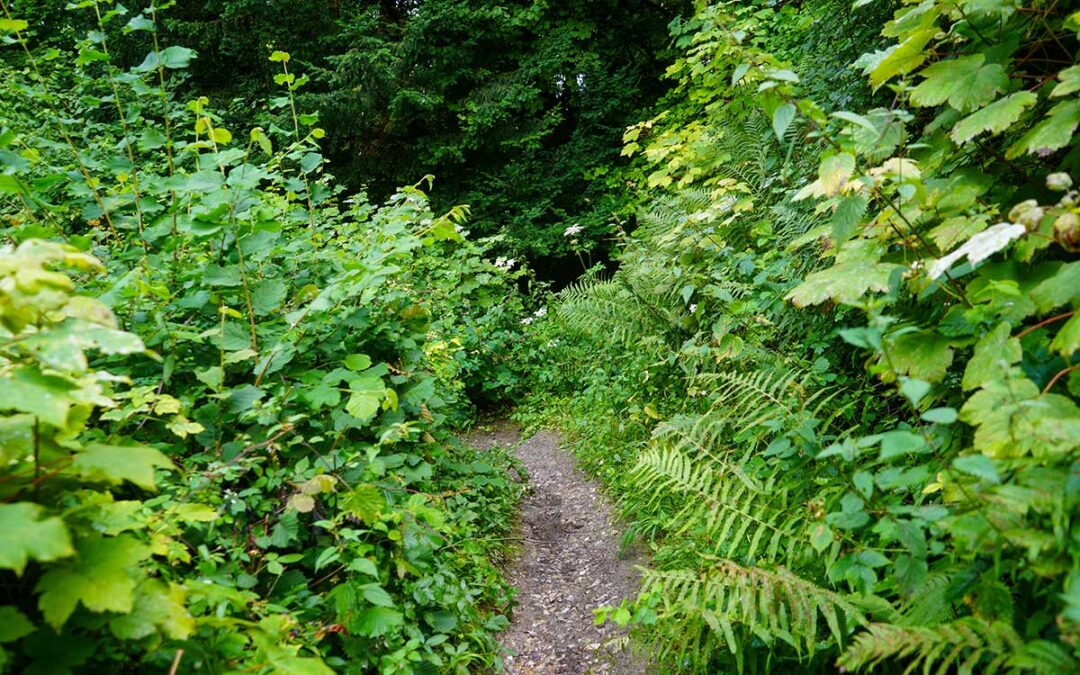
Overgrown land can feel like wasted space, but in many cases, it can be brought back into practical use. A property that is covered in brush, small trees, fallen limbs, old junk, stumps, vines, or storm debris may look overwhelming at first. That does not mean it is beyond help. It usually means the land needs the right sequence of clearing, cleanup, access work, drainage correction, and grading.
For many property owners, the biggest challenge is knowing where to start. An overgrown area may hide more than vegetation. There may be uneven ground, wet spots, old debris, storm damage, unwanted stumps, poor access, or drainage problems underneath. That is why usable land reclamation is not just about cutting brush. It is about understanding what the land can become and then clearing the way for that purpose.
Foothills Land Services helps property owners turn neglected, wooded, storm-damaged, or hard-to-access areas into cleaner, safer, and more functional spaces. Whether the goal is a driveway, trail, yard expansion, pasture edge, future building site, cleared homesite, or simply better access to your acreage, overgrown land can often be improved in stages.
Why Overgrown Land Becomes Hard To Use
Land can become overgrown for many reasons. A property may have gone years without regular maintenance. Storms may have knocked down trees and limbs. Brush may have spread across open ground. Vines may have taken over fence lines. A wooded edge may have crept farther into the yard or field. Old junk, fallen buildings, or unused materials may have accumulated over time.
In the foothills, terrain can make the problem worse. Sloped areas, wooded lots, wet spots, and uneven ground are harder to mow or maintain. Once access becomes difficult, overgrowth tends to accelerate. The less usable the land becomes, the less often it gets maintained. Eventually, what used to be a manageable area can become nearly impossible to walk through.
Common causes of unusable overgrown land include:
- Brush And Sapling Growth: Small trees and woody vegetation can quickly reclaim open areas.
- Storm Damage: Fallen limbs, broken trees, and debris can block access and create hazards.
- Poor Drainage: Wet ground can make mowing, clearing, and regular maintenance difficult.
- Old Stumps: Stumps can prevent grading, mowing, fencing, and future improvements.
- Vines And Thickets: Dense growth can hide hazards and choke out usable space.
- Junk Or Debris: Old materials, abandoned items, and damaged structures can make land unsafe.
- Limited Access: If equipment or vehicles cannot reach the area, the problem keeps growing.
The good news is that most of these problems can be addressed with the right plan.
The First Step Is Understanding The Goal For The Land
Before clearing overgrown land, it helps to know what you want the area to become. The right plan for a future driveway is different from the right plan for a walking trail. A property owner who wants a mowed yard will need a different finish than someone who wants wooded access lanes or wildlife visibility.
This is where many projects go wrong. If the land is cleared without a goal, the work may not match the future use. Brush may be removed, but stumps may still prevent mowing. Trees may be cut, but drainage may still make the area too wet. A path may be opened, but the ground may still be too rough for regular access.
A better approach starts with the end result. Do you want to walk the property more easily? Park equipment? Build later? Improve views? Create a trail? Reduce fire risk? Prepare for fencing? Expand usable yard space? Each answer points toward a different combination of services.
Forestry Mulching For Overgrown Land Reclamation
Forestry mulching is one of the most practical ways to reclaim overgrown land when brush, saplings, vines, and small trees are the main problem. The equipment grinds vegetation into mulch and leaves that material on-site. This can quickly open areas that were previously dense and hard to navigate.
Unlike some forms of clearing, forestry mulching does not leave every area stripped down to bare soil. That can be helpful on sloped land where erosion is a concern. The mulch layer can help protect the ground while improving visibility and access.
Forestry mulching works well for opening trails, clearing fence lines, improving wooded acreage, reclaiming field edges, creating hunting lanes, reducing undergrowth, and making neglected areas easier to maintain.
When Forestry Mulching Is The Right Starting Point
Forestry mulching is often a good first step when you need to see the land clearly. Dense vegetation can hide drainage problems, old debris, stumps, uneven ground, and potential access routes. Once the brush is processed and the area opens up, it becomes easier to decide what work should come next.
For some properties, forestry mulching may be enough to make the land usable again. For others, it creates the access needed for stump removal, grading, drainage work, or future site preparation.
Tree And Stump Removal For More Usable Ground
Overgrown land often includes trees and stumps that interfere with future use. Some trees may be damaged, leaning, overcrowded, or growing in the way of a planned driveway, fence, building site, or access path. Stumps may prevent mowing, create tripping hazards, damage equipment, and make grading more difficult.
Tree and stump removal may be necessary if you want the land to be smoother, cleaner, and easier to maintain. This is especially true when the property will be used for a yard, road, driveway, building pad, pasture, or active work area.
Leaving stumps in place may be acceptable for some wooded trails or natural areas, but it is usually not ideal when the goal is finished, usable ground. If you want to reclaim land for regular use, stump removal should be considered early in the project.
Drainage Issues Can Keep Land From Being Usable
Sometimes land is not usable because it is too wet. Brush and trees may be part of the problem, but poor drainage may be the bigger issue. If water collects in low areas, runs across the property in uncontrolled paths, or keeps soil soft and muddy, clearing alone will not solve the problem.
Drainage solutions may be needed to move water away from problem areas. Depending on the property, this could include grading, French drains, swales, culverts, ditches, waterproofing support, or improved runoff paths.
For foothills properties, drainage should not be treated as an afterthought. Clearing overgrowth can change how water moves. Removing vegetation may expose soil to more runoff. Building a driveway or trail may create a new path for water. A good reclamation plan considers drainage before the next heavy rain exposes the weak spots.
Grading Overgrown Land After Clearing
Once vegetation, debris, trees, or stumps are removed, the land may still need grading. Grading reshapes the ground so it works for its intended purpose. It can smooth rough areas, improve slope, prepare access, fill low spots, create better water movement, or get a site ready for future work.
Precision grading may be needed for driveways, building sites, yards, trails, roads, and drainage correction. It is often one of the final steps that turns cleared land into usable land.
Why Clearing Alone May Not Be Enough
A cleared area can still be uneven, muddy, rutted, sloped the wrong way, or difficult to maintain. That is why a property may look better immediately after clearing but still not function well. Grading helps bridge the gap between opened land and usable land.
If the property owner wants to mow, build, drive, park, fence, or maintain the area regularly, grading may be just as important as clearing.
Junk Removal And Demolition On Neglected Properties
Some overgrown land has more than vegetation in the way. Old sheds, damaged outbuildings, scrap material, abandoned items, trash piles, broken fencing, storm debris, and leftover construction materials can all prevent a property from being used safely.
Junk removal and building demolition may be part of the land reclamation process. Removing unwanted materials creates safer access and makes it easier to complete clearing, grading, and drainage work. It can also help property owners see the land clearly and plan future improvements.
This is especially important for inherited properties, recently purchased land, older rural parcels, or acreage that has not been maintained in years.
A Step-By-Step Approach To Making Overgrown Land Usable Again
Every property is different, but many overgrown land projects follow a general sequence. The order matters because some work creates access for the next stage.
A practical land reclamation plan may include:
- Evaluate The Property: Identify access points, slopes, wet areas, trees, debris, and future goals.
- Clear Access First: Open a path for equipment, vehicles, and safe movement.
- Remove Brush And Growth: Use forestry mulching or clearing methods to reclaim space.
- Address Trees And Stumps: Remove obstacles that affect safety, grading, mowing, or future projects.
- Clean Up Debris: Remove junk, storm damage, or unwanted materials.
- Correct Drainage Problems: Move water away from areas that need to stay usable.
- Grade The Land: Shape the ground for access, maintenance, or future construction.
- Plan Ongoing Maintenance: Keep the land from returning to the same overgrown condition.
This kind of staged process helps avoid wasted work and gives the property a better long-term result.
How To Keep Reclaimed Land From Becoming Overgrown Again
Once land is reclaimed, maintenance becomes much easier, but it still matters. Brush, saplings, and vines can return if the area is ignored for too long. Drainage problems can also reappear if ditches clog, gravel washes out, or runoff changes.
The best maintenance plan depends on the property. Some areas may need mowing. Others may need periodic mulching, trail maintenance, driveway upkeep, ditch cleaning, or seasonal cleanup after storms.
A well-planned reclamation project should make maintenance more realistic. Instead of fighting an impossible thicket every few years, property owners can keep the land usable with smaller, more manageable upkeep.
How Foothills Land Services Helps Reclaim Overgrown Properties
Foothills Land Services helps property owners make overgrown land usable again by addressing the real barriers to use. That may include forestry mulching, storm cleanup, tree and stump removal, drainage solutions, French drains, waterproofing support, precision grading, junk removal, building demolition, and related land services.
Because many overgrown properties have multiple problems, it helps to work with a team that can look at the full picture. The issue may not be just brush. It may be access, water, stumps, storm debris, rough ground, or old materials that need to be removed.
Our goal is to help you take the next practical step, whether that means clearing a trail, opening acreage, preparing a future project area, improving drainage, or turning neglected land into space you can actually use.
Reach Out To Foothills Land Services For Your Next Project
Overgrown land does not have to stay wasted, unsafe, or difficult to access. With the right combination of clearing, mulching, stump removal, drainage correction, grading, cleanup, and planning, many properties can be brought back into useful condition.
Reach out to Foothills Land Services for your next project. We can help evaluate your overgrown land, recommend the right approach, and complete the work needed to make your property cleaner, safer, and more usable.