
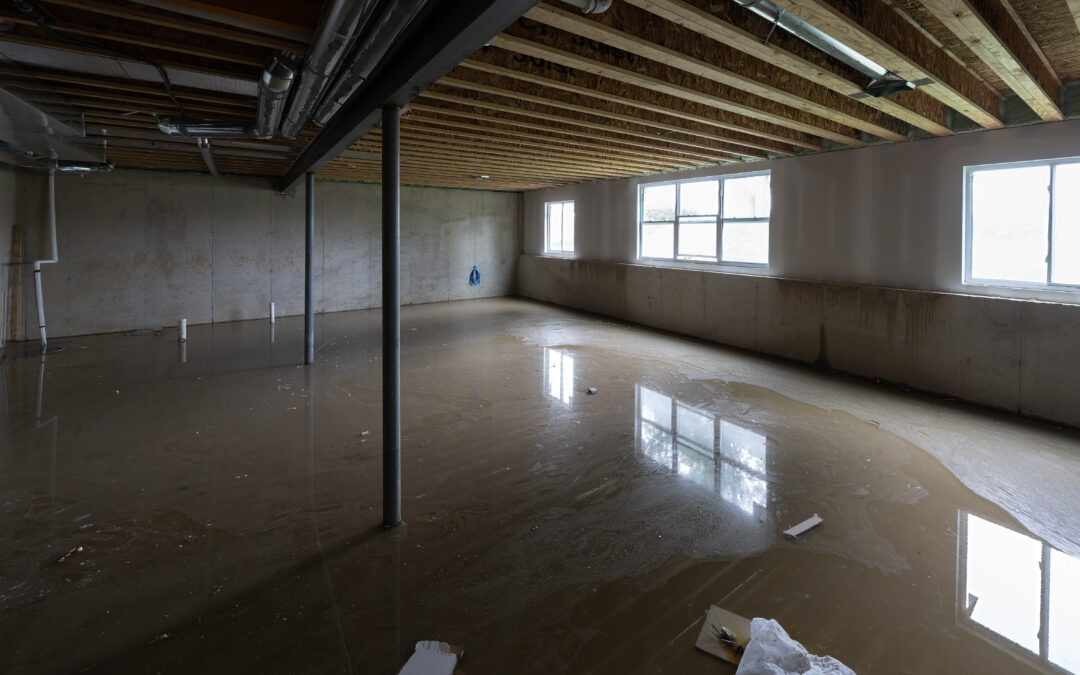
Water in your basement is more than an inconvenience. Even a small leak can damage flooring, drywall, furniture, stored belongings, and electrical components. Ongoing moisture may also lead to mold, musty odors, pest activity, and damage to the foundation.
Basement leaks often become noticeable during periods of heavy rain because the soil around the house becomes saturated. Once the ground can no longer absorb additional water, that water begins moving toward low areas and weak points around the foundation. Cracks, poorly sealed walls, clogged drainage systems, and improper grading can all give water a path into the basement.
The good news is that many basement moisture problems can be reduced or prevented by controlling how water moves across the property. The following tips can help you protect your basement and determine when a larger drainage or waterproofing project may be necessary.
Here Are 10 Tips For Keeping Water From Getting in Your Basement (or Crawlspace)
1. Improve Your Grading And Drainage
The ground around your home should slope away from the foundation. When the soil is flat or slopes toward the house, rainwater can collect against the basement walls instead of flowing into the yard.
Standing water near the foundation increases pressure against basement walls. Water may eventually enter through cracks, joints, porous concrete, or gaps around pipes and utility lines. This pressure can become especially severe after several days of rain.
Walk around your home during or shortly after a storm. Look for puddles, soft soil, washed-out areas, and water flowing toward the house. These signs may indicate that the property needs grading or additional drainage improvements.
Improving the grade may involve adding and compacting soil, reshaping parts of the yard, or creating swales that direct runoff toward a safer location. Proper grading can also help prevent erosion, foundation settlement, and muddy areas around the home.
2. Extend Your Downspouts Away From The Foundation
A downspout that ends beside the house can release a large amount of roof runoff directly next to the foundation. During a hard rain, that concentrated flow may quickly saturate the soil and contribute to basement leaks.
Downspouts should generally carry water at least 6 to 10 feet away from the house. The proper distance may vary based on the slope of the yard, soil conditions, and the amount of water coming from the roof.
Downspout extensions are available in several forms, including flexible pipes, solid drainage pipes, and underground systems. Whatever method is used, the outlet should send water to an area where it can drain without flowing back toward the home.
Make sure the end of the downspout does not discharge onto a steep slope, neighboring property, septic area, or another location where it could create erosion or standing water.
3. Clean Your Gutters Regularly
Gutters are designed to collect roof runoff and move it into the downspouts. When gutters become clogged with leaves, sticks, pine needles, and other debris, water can overflow along the edge of the roof.
That overflow may pour directly beside the foundation. It can also run down siding, damage fascia boards, wash away soil, and create damp areas around basement walls.
Clean your gutters regularly, especially during the fall and after major storms. Homes surrounded by mature trees may need more frequent cleaning. While inspecting the gutters, look for loose sections, holes, sagging areas, and downspouts that have become disconnected.
You should also confirm that the gutters are properly pitched toward the downspouts. A clean gutter can still hold water if it is not installed at the correct angle.
4. Seal Foundation Cracks And Openings
Small cracks in concrete walls and floors can become entry points for water. Some cracks remain dry for years before allowing water inside during an unusually heavy storm.
Inspect basement walls, floors, windows, and utility openings for visible gaps. Pay close attention to areas around plumbing lines, electrical conduits, and the joint where the basement wall meets the floor.
Sealing minor cracks may help reduce water intrusion, humidity, and pest activity. However, sealant alone may not solve a larger drainage problem. If water pressure continues building outside the foundation, moisture may find another weak point.
Cracks that are widening, shifting, or repeatedly leaking should be evaluated carefully. These may indicate movement in the foundation or a drainage issue that needs more than a surface repair.
5. Install Or Repair Window Well Drainage
Basement windows can become a major source of leaks when the surrounding window wells fill with water. Leaves, soil, mulch, and debris can block drainage and allow water to rise against the glass or window frame.
Keep window wells clean and make sure water can drain from the bottom. A layer of clean gravel can help with drainage, but some properties may also need a dedicated window well drain.
Window well covers can reduce the amount of rain and debris entering the well. Choose covers that fit securely while still allowing light and emergency access when required.
Check the seals around basement windows as well. Cracked caulk, damaged frames, or poorly installed windows may allow water to enter even when the well is draining properly.
6. Move Landscaping Away From Basement Walls
Landscaping can affect how water moves around the foundation. Raised flower beds, thick mulch, edging, and compacted soil may trap moisture beside the house.
Keep mulch several inches below siding and basement window frames. Avoid piling soil against the foundation to the point that water can reach areas that were not designed for constant moisture exposure.
Plants and shrubs should not block access to the foundation. Leaving space makes it easier to spot cracks, damaged gutters, erosion, and signs of standing water.
Large roots may also interfere with underground drainage systems. Before planting trees or large shrubs near the house, consider their mature size and root spread.
7. Use A Sump Pump To Remove Groundwater
Some homes need a sump pump to manage groundwater that collects beneath or around the basement. Water is directed into a sump basin and pumped away from the house before it reaches the basement floor.
Test the sump pump periodically by pouring water into the basin and confirming that the system activates and discharges properly. Check the outlet pipe to make sure it is not blocked, frozen, or sending water back toward the foundation.
A backup battery can help keep the pump working during power outages, which often occur during severe storms. Homes with frequent groundwater problems may also benefit from a secondary pump.
A sump pump can be an important part of a basement drainage system, but the discharge location still matters. Pumping water only a few feet from the house may allow it to return.
8. Control Basement Humidity
Not all basement moisture enters as a visible leak. Humid air can create condensation on pipes, walls, windows, and concrete floors. This is especially common during warm, wet weather.
A dehumidifier can help control indoor moisture and reduce musty odors. Keep basement humidity at a reasonable level and empty or drain the unit as needed.
Signs of excessive humidity may include:
- Condensation: Water droplets forming on windows, pipes, or walls
- Musty odors: Persistent smells that return after cleaning
- Mold or mildew: Dark spots on walls, furniture, boxes, or fabrics
- Damp materials: Cardboard, clothing, or wood that feels moist
- Peeling finishes: Paint, coatings, or flooring beginning to lift
A dehumidifier can manage indoor humidity, but it will not stop water that is entering through the foundation. Visible leaks should still be traced to their source.
9. Install A French Drain
A French drain helps collect water and redirect it away from the foundation. These systems typically use perforated pipe surrounded by gravel and filter fabric.
French drains may be installed outside the home to intercept surface water and groundwater before it reaches the basement. Interior drainage systems may also be installed along basement walls to collect water and direct it toward a sump pump.
The location, depth, slope, and outlet of the drain are important. A poorly installed drain can clog, hold water, or fail to move runoff far enough from the house.
French drains are often effective when basement leaks are connected to saturated soil, hillside runoff, or groundwater pressure. They may also be combined with grading improvements and downspout drainage.
10. Waterproof Your Basement
Basement waterproofing addresses moisture at the foundation and drainage levels. Depending on the property, the project may involve exterior excavation, waterproof membranes, drainage panels, foundation repairs, interior drainage, sump pumps, or French drains.
The right solution depends on where the water is entering and why it is reaching the house. A leak caused by an overflowing gutter may require a much different repair than water rising through the basement floor.
Professional waterproofing is often the best approach when:
- Water enters during nearly every heavy rain
- Multiple basement walls are damp
- Water comes through the floor
- Cracks continue leaking after being sealed
- Mold and musty odors keep returning
- The yard regularly holds water near the house
- Previous repairs have not solved the problem
A complete waterproofing plan should address both the visible leak and the drainage conditions causing it.
Let Foothills Land Services Help Protect Your Basement With Better Drainage And Waterproofing
Keeping water out of your basement starts with moving rain and groundwater away from your foundation. Clean gutters, longer downspouts, proper grading, sealed cracks, French drains, and sump pumps can all play a role.
Foothills Land Services can evaluate drainage problems around your home and recommend practical improvements based on the property. We provide grading, drainage work, French drain installation, and basement waterproofing solutions designed to reduce moisture and protect your foundation.
Contact Foothills Land Services to discuss the water problems around your basement and find out what steps may help keep it dry.