
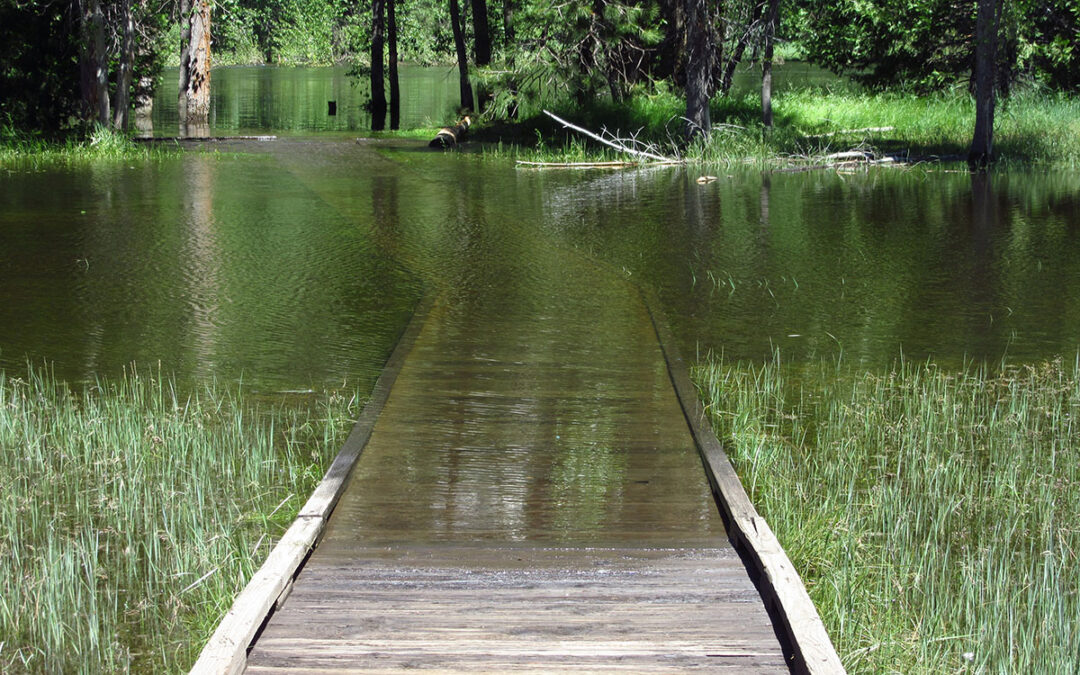
Drainage problems usually start quietly. A soft place in the yard, a little gravel washing out after heavy rain, or water sitting near a low spot may not feel urgent at first. Many property owners in the foothills get used to seeing water move across their land because slopes, clay-heavy soil, wooded areas, and heavy rain are part of owning property in this region. But when water does not have a controlled path, small problems can turn into rutting, erosion, foundation moisture, driveway damage, soggy lawns, and unusable ground.
The difficult part is knowing whether you are looking at a normal wet spot after a hard rain or an actual drainage problem. Not every puddle requires a major project. But water that keeps returning to the same place, sits too long, washes material away, or moves toward a structure should be taken seriously.
Foothills Land Services helps property owners identify drainage issues and choose practical solutions. Depending on the property, that may involve grading, French drains, water redirection, waterproofing support, ditching, swales, or other drainage corrections. The right answer starts with understanding how water is moving across the land.
Standing Water That Does Not Drain Away
Standing water is one of the most obvious signs of a drainage problem. Some puddling right after a heavy storm is normal, especially on flat or compacted ground. But if water sits for days, returns after every rain, or keeps a section of the property muddy, there is probably a drainage issue that needs attention.
Standing water can create several problems. It can kill grass, make mowing difficult, soften the ground, attract pests, and keep parts of the property from being used. Around driveways, sheds, barns, garages, and homes, standing water can also point to a larger grading or runoff issue.
If a part of your property never seems to dry out, the question is not only where the water is sitting. The better question is where the water is coming from and where it should be going.
Erosion, Ruts, And Washed-Out Areas
Erosion is a clear sign that water is moving with too much force or in the wrong direction. This often happens on sloped properties, gravel driveways, wooded lots, and areas where runoff has been concentrated into one path. Once water begins cutting through soil or gravel, it tends to follow the same path every time it rains.
Common signs of erosion include:
- Washed-Out Gravel: Driveway gravel moves downhill, collects in piles, or disappears after repeated storms.
- Ruts In The Ground: Water cuts channels into soil, lawn areas, trails, or work areas.
- Exposed Roots: Soil washes away from trees, shrubs, or landscape beds.
- Bare Soil: Grass, mulch, or topsoil is carried away by runoff.
- Low Spots: Water keeps collecting in the same area and makes the ground uneven.
Erosion should not be ignored. It can damage access routes, weaken slopes, make mowing harder, and create long-term maintenance problems. In many cases, the solution involves both drainage and grading. Water needs to be redirected, and the damaged area may need to be reshaped.
Water Moving Toward A Home Or Building
Water should move away from buildings, not toward them. If rainwater flows toward your home, garage, basement, crawl space, shed, or outbuilding, the property may need drainage correction. Over time, water near a structure can contribute to foundation moisture, basement seepage, crawl space dampness, soil movement, mold-friendly conditions, and damaged exterior areas.
The source may be improper grading, clogged drainage paths, roof runoff, downspout discharge, compacted soil, or water coming from a higher part of the property. A French drain may help in some situations, but the full solution may also require grading or other water management work.
Foothills Land Services looks at the whole drainage pattern. If water is collecting near a structure, the fix should not focus only on the wet spot. It should also address how the water is getting there.
Soft, Muddy, Or Spongy Ground
Some drainage problems are less dramatic but still frustrating. If part of your property always feels soft, muddy, or spongy, the ground may not be releasing water properly. This can happen around gates, barns, driveways, fence lines, trails, shaded areas, and low places where runoff collects.
Soft ground limits how you can use your property. It can make mowing difficult, cause equipment to sink, create slippery walking areas, and keep vehicles or trailers from accessing certain spots. If the area is supposed to be functional, it may need drainage, grading, or both.
Why Drainage Problems Need A Site-Specific Fix
Drainage work has to match the property. A French drain may be the right answer in one situation, while grading may solve another. Some properties need a swale to move surface water. Others need a low area reshaped. Some need water kept away from a foundation. Others need a driveway or access route corrected so that runoff no longer cuts across it.
A good drainage solution considers:
- Source: Where the water starts.
- Path: How the water moves across the property.
- Collection Point: Where water sits, slows down, or causes damage.
- Outlet: Where water can be safely directed.
- Terrain: Whether slope, soil, trees, or access affects the solution.
This matters because moving water without a plan can create new problems. Sending water toward a driveway, neighboring property, structure, or low area may only shift the damage.
Call Foothills Land Services For Drainage Solutions
If your property has standing water, muddy areas, erosion, washed-out gravel, foundation moisture concerns, or water moving where it should not, Foothills Land Services can help. We provide drainage solutions, French drains, waterproofing support, grading, and related land services for foothills properties.
Contact Foothills Land Services to schedule a drainage evaluation and find a practical way to move water in the right direction.